The Chen Lab at Temple University
Tools that build brains—and scientists
We’re building the next generation of genetic tools to explore how the brain wires itself, and the next generation of scientists to carry that work forward. We’re committed to a lab culture that is supportive, inclusive, and collaborative.

Meet Our Principal Investigator
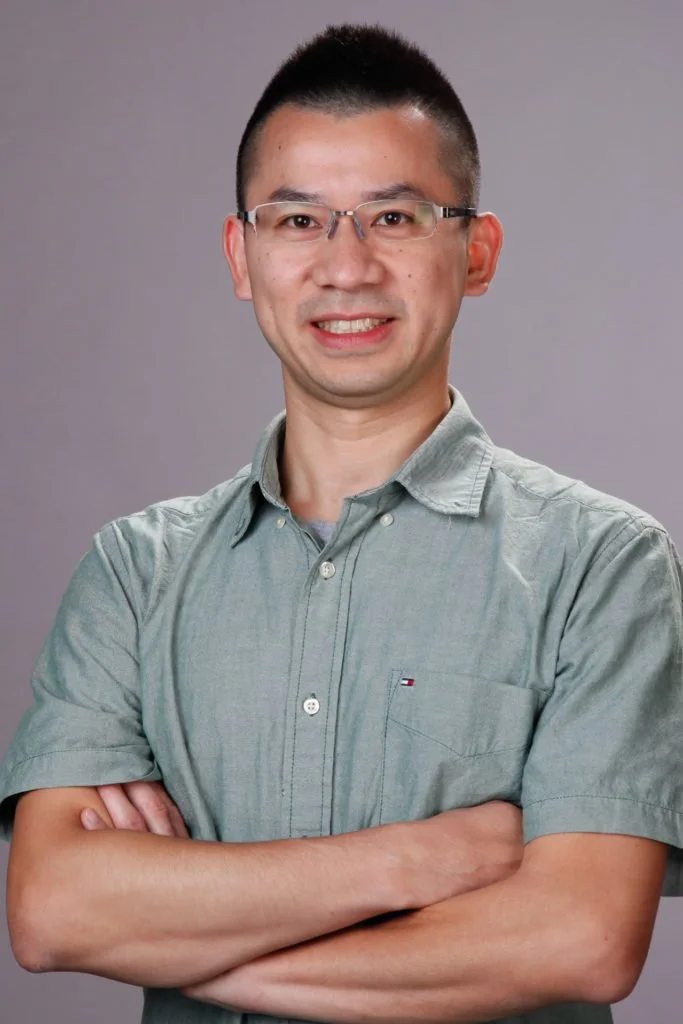
Yu-Chieh David Chen, Ph.D.
I'm Yu-Chieh David Chen, an Assistant Professor in the Department of Biology at Temple University, where I study how developing neurons find their correct partners to build precise sensory circuits in the brain. My research combines molecular genetics, single-cell genomics, imaging, and connectomics in Drosophila sensory systems, building on training with Anupama Dahanukar at UC Riverside (insect taste circuits) and Claude Desplan at NYU (visual circuit assembly).
I'm driven by a belief that understanding how the nervous system builds such precise connections, whether guided by defined genetic programs or emerging from more variable, chance-driven cellular decisions, will reveal principles fundamental to brain development across species. Alongside my research, I'm equally committed to mentoring the next generation of scientists and building an inclusive, supportive lab environment. Outside the lab, I enjoy spending time with my family.
Are you curious about how the brain wires itself during development?

Excited about building the next generation of genetic tools to dissect neural circuits?
In our lab, we study how immature neurons acquire specific molecular and morphological features and form precise connections during development to create functional circuits that allow organisms to sense and respond to the world.
We use the fruit fly, Drosophila, as our primary model organism. Why? Because its simple nervous system allows us to investigate how specific genes and molecules guide neurons to find their correct partners. We use a variety of cutting-edge techniques, including single-cell genomic technologies, cell-type-specific genetic manipulations, and high-quality brain EM connectomes, to probe the organizational principles of building sensory circuits during development.
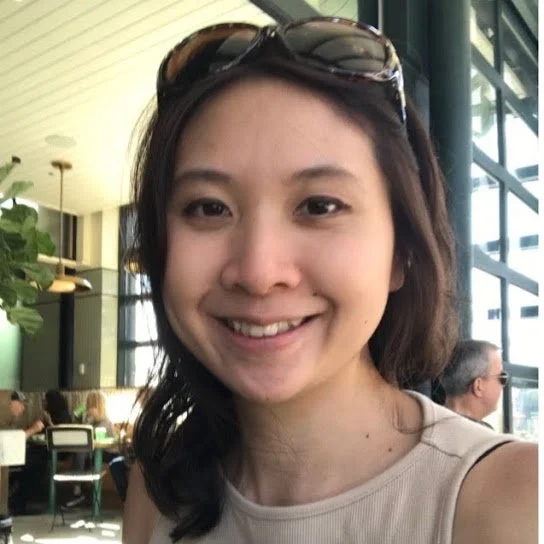
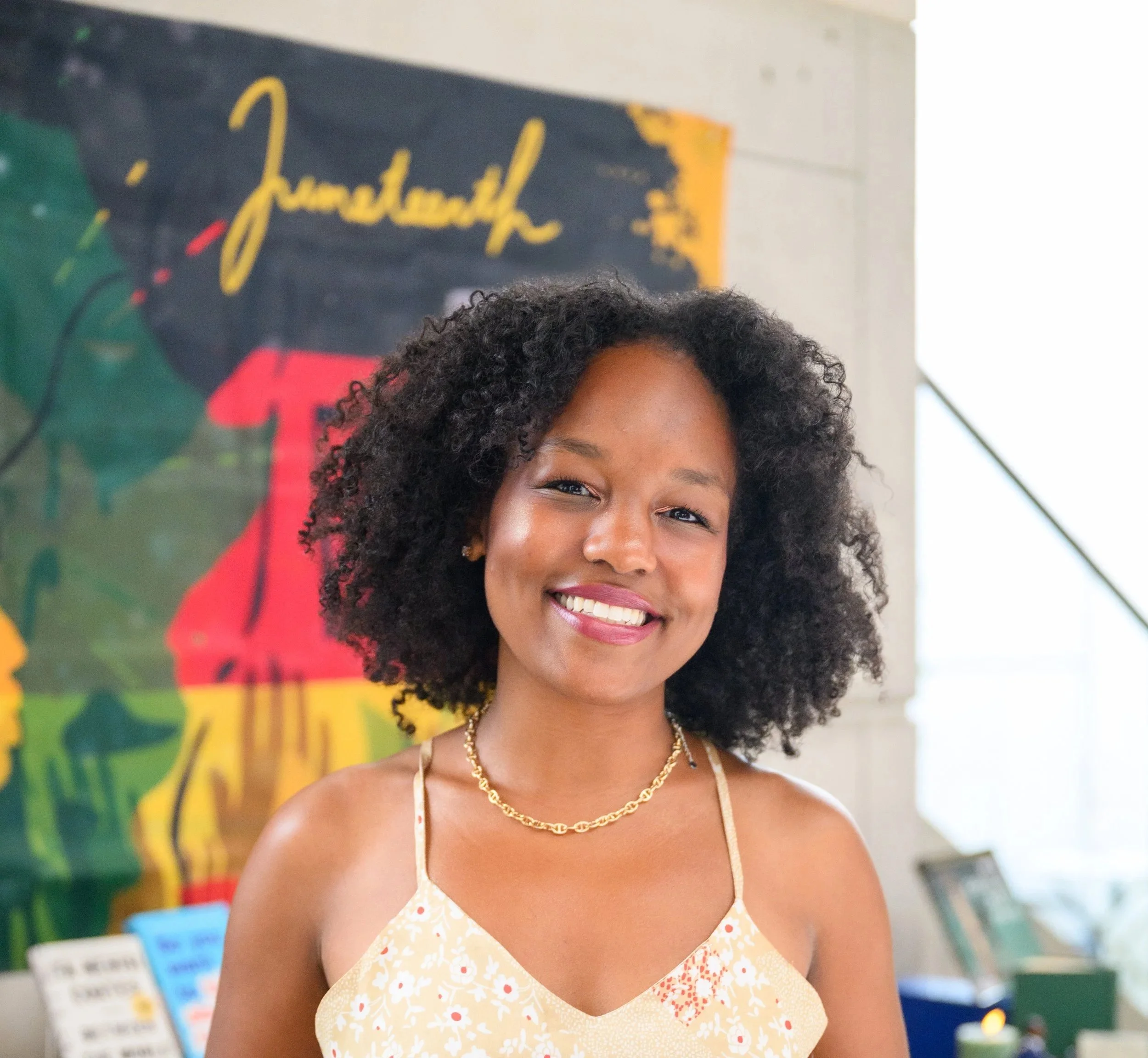
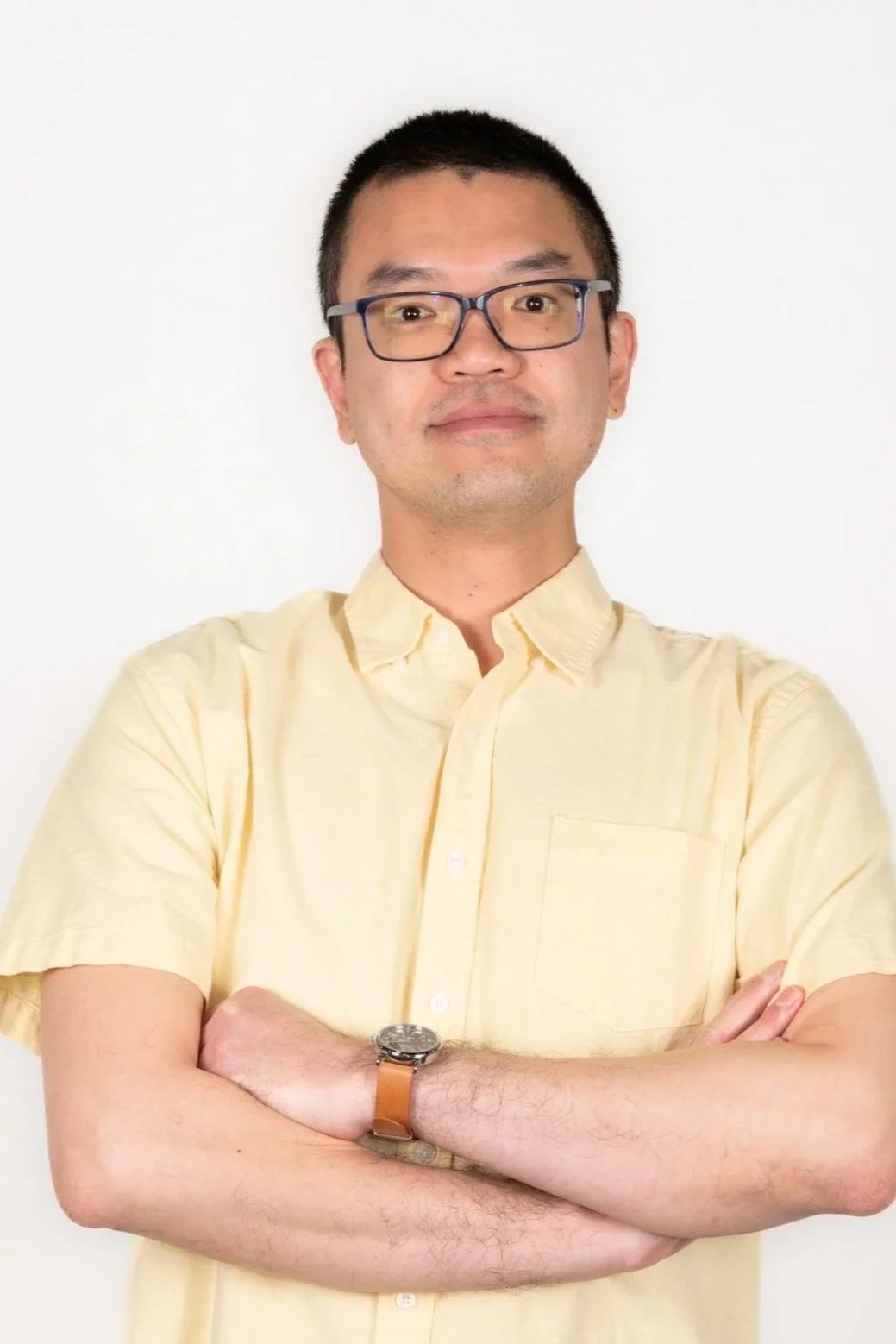
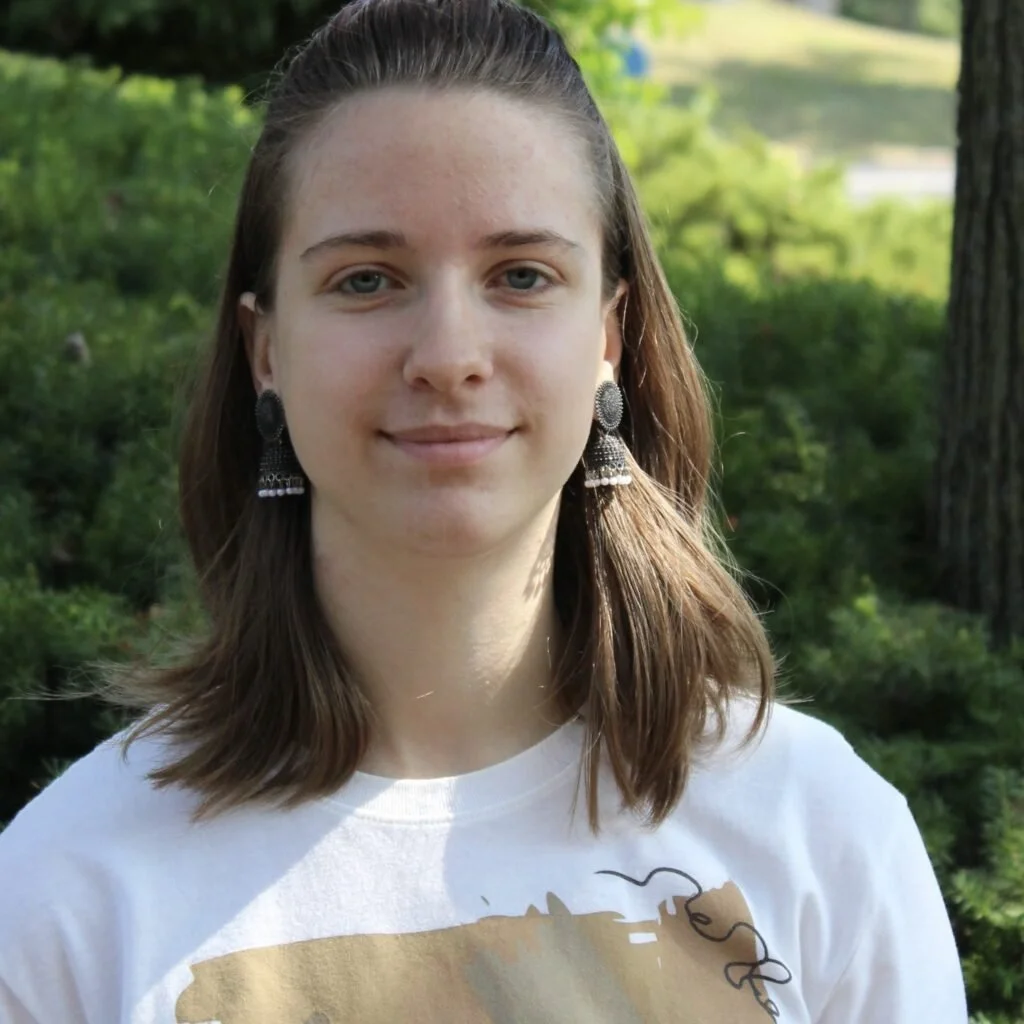
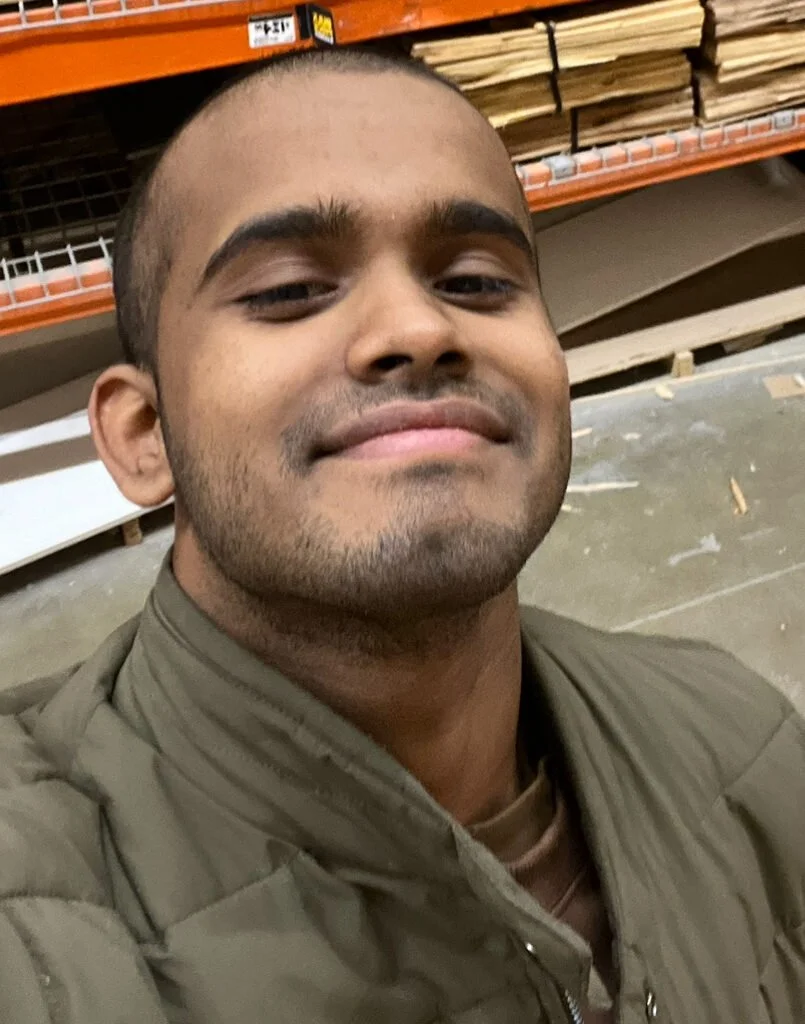
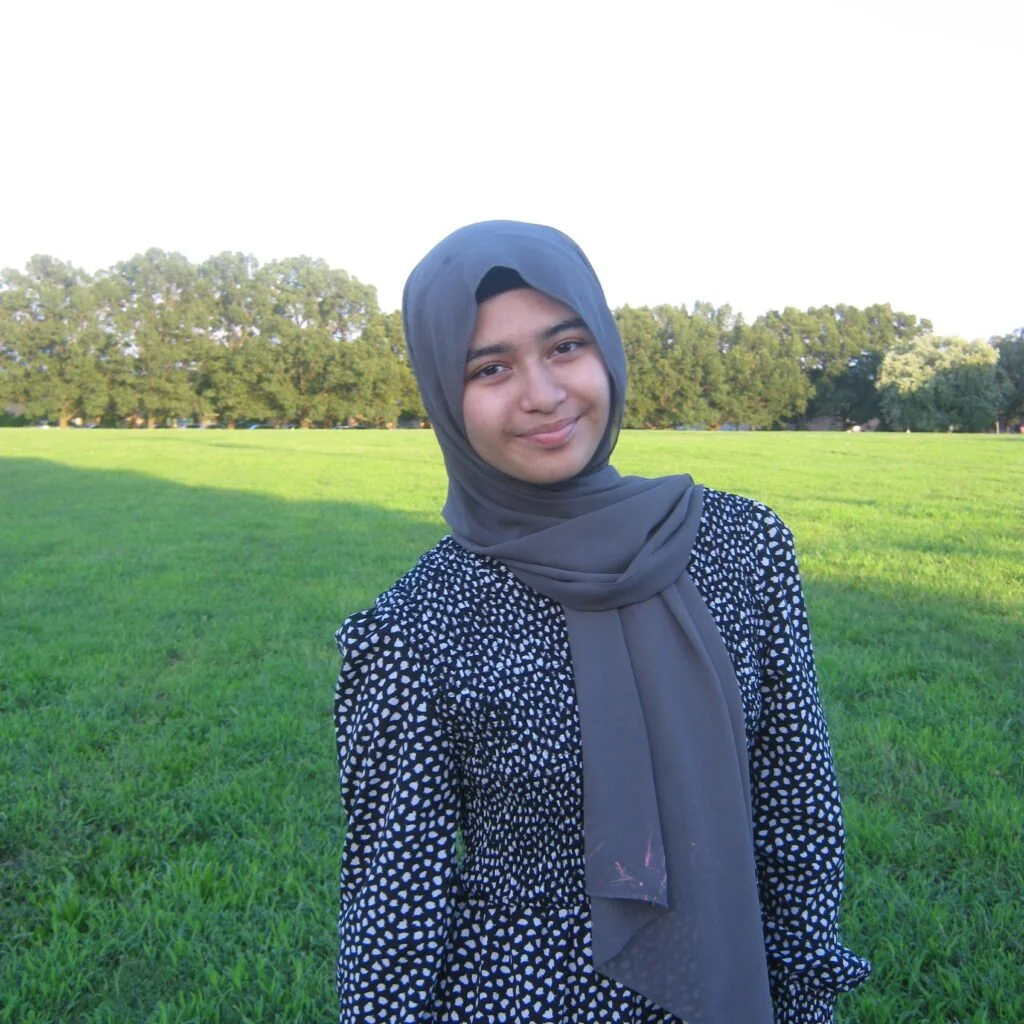
Current Lab Members





Our Values
-
We approach science through two complementary strategies:
(1) Hypothesis-driven research investigates known unknowns by testing specific, well-defined questions.
(2) Discovery-driven research embraces unknown unknowns, often through exploratory data collection or screening.
Both approaches are valuable and deeply embedded in our research philosophy.
-
We hold ourselves to high ethical scientific standards and aim to be honest and open in our data, decisions, and communication. Mistakes and uncertainty are acknowledged and discussed constructively.
-
We support one another’s growth by fostering an environment of shared learning, effective feedback, and active mentorship. Everyone, regardless of stage, contributes to and benefits from our collective knowledge.
-
We value and celebrate diverse identities, backgrounds, and perspectives. Every lab member should feel safe, respected, and empowered to contribute fully.
-
We believe in continual learning and improvement. Challenges and setbacks are opportunities to develop new skills and perspectives, both as scientists and as people.

Our Commitment To Diversity & Inclusion
We believe that great science depends on a community where people from all backgrounds and experiences feel genuinely welcome to contribute. No matter your background, if you're curious and passionate about science, you belong in our lab.
Dr. Chen is committed to mentorship that meets each trainee where they are, with regular one-on-one meetings, individualized goal setting, and hands-on guidance throughout your research. He has actively sought out training in inclusive mentorship and allyship, including through the FASEB LEAD program and inclusive leadership workshops, and brings those practices directly into how the lab is run day to day.
Our goal is a lab where every member has equal opportunity to grow, contribute, and thrive, and where we work together to close the gaps that too often hold back students from underrepresented groups in STEM.

Join the Lab!
Where Your Ideas and Growth Matters
We seek motivated, curious, and collaborative students excited to combine molecular genetics, developmental biology, and neuroscience. Prior experience with Drosophila genetics, molecular cloning, confocal microscopy, or single-cell genomics is a plus but not required. Reach out to learn more about our current opportunities!